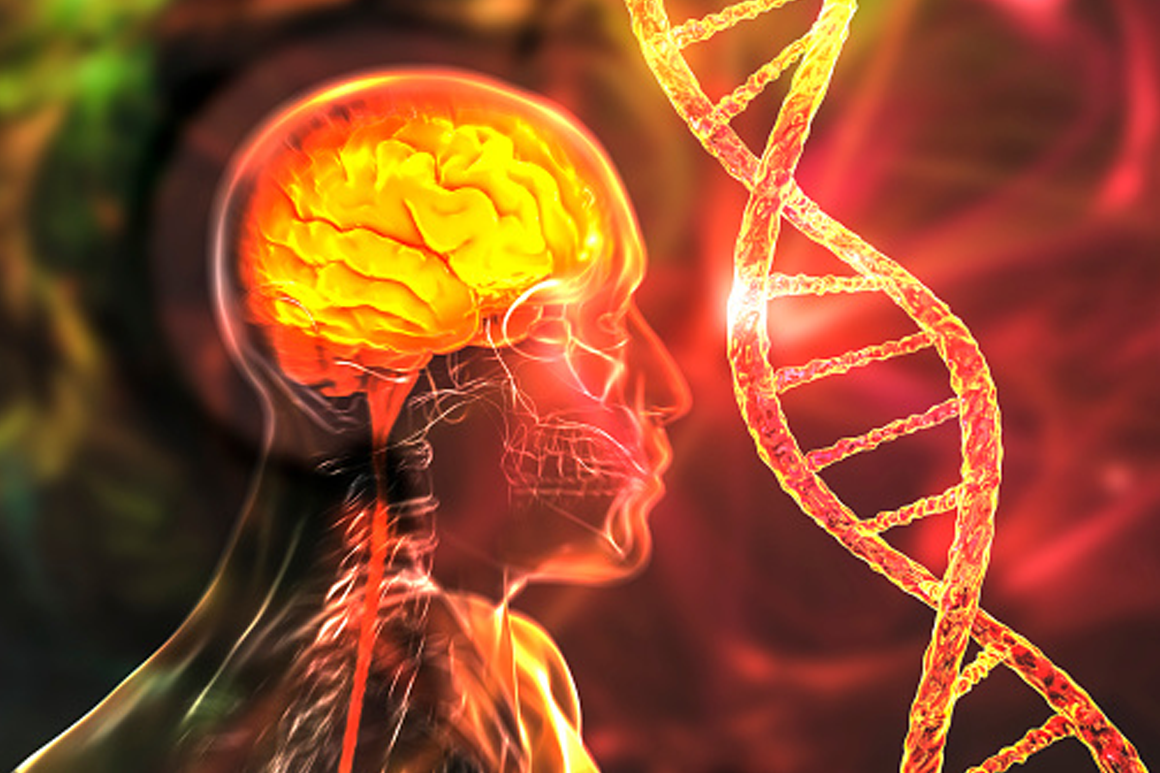
The nervous system is a complex, sophisticated system that regulates and coordinates body exertion. It’s made up of two major divisions, including the following
.
Central nervous system. This consists of the brain and spinal cord.
Supplementary nervous system. This consists of all other neural elements, including the supplementary nerves and the autonomic nerves.
Illustration of the nervous system
In addition to the brain and spinal cord, principal organs of the nervous system include the following
- Eyes
- Ears
- Sensuous organs of taste
- Sensorial organs of smell
Sensorial receptors located in the skin, joints, muscles, and other parts of the body
Signs and symptoms of nervous system disorders
The following are the most common general signs and symptoms of a nervous system disorder. However, each individual may experience symptoms differently. Symptoms may include:
- Persistent or sudden onset of a headache
- A headache that changes or is different
- Loss of feeling or tingling
- Weakness or loss of muscle strength
- Loss of sight or double vision
- Memory loss
- Impaired mental ability
- Lack of coordination
- Muscle rigidity
- Tremors and seizures
- Back pain which radiates to the feet, toes, or other parts of the body
- Muscle wasting and slurred speech
-
New language impairment (expression or comprehension)